
Science commentary · 2026-09-26 · Updated 2026-11-16
Why plant proteins often test higher for lead than whey (soil uptake explained)
Plants pull metals from soil and water. Concentrating plant protein can concentrate those metals too — here is how it works.


If you look at our rankings sorted by lead, a pattern jumps out: most of the products near the top are dairy-based, and many near the bottom are plant-based. This is not a bias in our method. It reflects a consistent finding across independent testing, including Consumer Reports' 2025 investigation [1] and earlier Clean Label Project studies [4].
So why does this happen?
The short answer
Plants take up cadmium and lead through their roots, and isolating the protein can concentrate those metals. Plant powders also often use larger scoops, which adds exposure, while dairy proteins usually start from a lower base. In Consumer Reports' 2025 testing, whey and dairy products measured around 0.2–0.3 µg lead per serving, versus 2–8 µg for several plant products [1][2].
Lowest heavy metals of the products we rated
Ranked by lowest heavy metals from published lab tests. Affiliate status never changes rank.

10.0/10 safety
COAMomentous
Essential Grass-Fed Whey Protein Isolate
Vanilla · 25 g serving
Best for · Joint lowest heavy metals of 34 rated
Lead: too small to measure
20 g protein per scoop · Complete protein
$69.99 · updated 22 Nov
Lab details & evidence ▾
Heavy metals
µg/serving · independent test, not scored. ND = not detected; below LOQ = too small to measure; iAs = inorganic arsenic.
Metals score 10.0/10 · measured against Prop 65 (California's daily safe limit)
Protein quality
Complete
- Protein:
- Whey protein isolate (grass-fed)
- Completeness:
- Complete — Whey isolate; complete (PDCAAS 1.0).
- Completeness score:
- 10.0/10 — typical value for whey protein isolate (DIAAS 1.09, Rutherfurd et al. 2015, J Nutr 145:372)
Sources
- Independent test (not scored):
- Brand-published COA (heavy metals by ICP-MS, SGS) · checked 2026-10-29
- Evidence:
- Current Momentous whey isolate (sold as Essential Whey / Grass-Fed Whey Protein Isolate, in stock on livemomentous.com and Amazon B09F1SWMFG, Vanilla, checked 29 Oct 2026). Momentous COA Vanilla lot 0309B6 (mfg 7 Apr 2026, tested 20 Apr 2026): lead, cadmium, arsenic and mercury all <0.250 µg per 25 g scoop (below reporting limit; not quantified ≠ zero). Unflavored lot 0241H6A (Light Labs, 1 Sep 2026): Pb <0.050, Cd <0.003, Hg <0.020, As 0.050 µg per 23.7 g scoop. Distinct from the CR-tested Momentous Whey Protein Isolate Vanilla (26.5 g serving) that Momentous told CR was discontinued; that entry stays in the archive.

10.0/10 safety
COAPuori
PW1 Grass-Fed Whey Protein
Bourbon Vanilla · 30 g serving
Best for · Joint lowest heavy metals of 34 rated
Lead: too small to measure
21 g protein per scoop · Complete protein
$79.00 · updated 22 Nov
Lab details & evidence ▾
Heavy metals
µg/serving · independent test, not scored. ND = not detected; below LOQ = too small to measure; iAs = inorganic arsenic.
Metals score 10.0/10 · measured against Prop 65 (California's daily safe limit)
Brand-published test: Puori-published Clean Label Project COA, Bourbon Vanilla batch BO254497 (Ellipse Analytics, 17 Sep 2026): Pb, Cd, As, Hg all ND per 30 g serving (counted as 0).
Protein quality
Complete
- Protein:
- Whey protein concentrate (pasture-raised)
- Completeness:
- Complete — Whey protein concentrate; complete amino acid profile.
- Completeness score:
- 10.0/10 — typical value for whey protein isolate (DIAAS 1.09, Rutherfurd et al. 2015, J Nutr 145:372)
Sources
- Independent test (not scored):
- Clean Label Project certification COA (Ellipse Analytics), published by Puori · checked 2026-10-26
- Evidence:
- Puori publishes a Clean Label Project certification COA for every PW1 batch. Bourbon Vanilla batch BO254497 (Ellipse Analytics, 17 Sep 2026): lead, cadmium, arsenic and mercury all ND (µg/serving); protein 20.21 g measured vs 21 g claimed. The newest batches (BO254494–BO254497 Vanilla, 260828A Dark Chocolate, Oct 2026) are also all ND. The COA does not state detection limits; ND ≠ zero. 30 g serving per Puori's amino-acid panel. Buy link (2026-11-07): Puori partner URL https://puori.com/SFKDMGMV (replaces Amazon ASIN B0736B62K5 on cards). No Consumer Reports or Labdoor test.

10.0/10 safety
ICP-MSEquip Foods
Prime Protein
Chocolate · 25.7 g serving
Best for · Top 3 lowest heavy metals of 34 rated
Lead: 0.71 µg per scoop — above the daily safe limit
21 g protein per scoop · Not quite complete (a bit low in methionine + cysteine)
$63.99 · updated 22 Nov
$3.05 / 30 g protein
Lab details & evidence ▾
Heavy metals
µg/serving · independent test, not scored. ND = not detected; below LOQ = too small to measure; iAs = inorganic arsenic.
Metals score 10.0/10 · measured against Prop 65 (California's daily safe limit)
Protein quality
Incomplete by brand amino-acid profile (collagen-rich beef)
- Limiting amino acid:
- Methionine + cysteine (brand data); tryptophan in published beef-protein studies
- Metric:
- DIAAS 0.81 (DIAAS/PDCAAS are lab scores for protein quality; 1.0 is the top)
- Rich in:
- Glycine 5 g, proline 3 g, hydroxyproline 2.55 g per serving — collagen-rich (brand data)
- Low in:
- Methionine + cysteine (0.26 g/serving), isoleucine, tryptophan and leucine below WHO adult reference per gram of protein (calculated from brand data)
Source: Brand data (amino-acid profile in brand FAQ) + score uses typical beef protein value (published studies) · score basis: Typical for bovine muscle protein (published studies: DIAAS 0.81, Bindari et al. 2018)
- Protein:
- Beef protein isolate
- Completeness:
- Depends on formula — Animal source, but beef protein isolates are collagen-rich and can be low in tryptophan; no public PDCAAS/DIAAS for this product.
- Completeness score:
- 8.1/10 — typical value for bovine muscle hydrolysate (DIAAS 0.81, Bindari et al. 2018, J Sci Food Agric 98:2131)
Sources
- Independent test (not scored):
- Consumer Reports ICP-MS (AOAC 2015.01) · checked 2025-10-14
- Evidence:
- Average of lots purchased Nov 2024–Jan 2025; µg per labeled serving. Mercury reported at approximately zero. Brand data (2026-10-29): Equip's Light Labs report (app.lightlabs.com/comprehensive-testing-report/10/13, Prime Protein Chocolate, heavy metals last tested 6 Mar 2026) shows arsenic <0.29 µg, cadmium <1.67 µg, lead <0.24 µg and mercury not detected per serving (reported as '<' values). Earlier Sept 2025 Chocolate lot: lead 11.15 ppb (≈0.29 µg). Consumer Reports' independent average (0.71 µg lead, 142% of 0.5 µg) is shown but not scored.
- Price:
- ≈ $2.20/serving · 9.5 g protein per $ (approx., verify at checkout)
Plants are built to absorb
Plants take up water and dissolved minerals through their roots. They cannot perfectly tell the difference between nutrients they want — like zinc, iron and calcium — and metals they do not, such as cadmium and lead. Cadmium in particular behaves chemically like zinc, so it slips through the same transport channels.
Soil metal levels vary with geology, historic pollution (leaded petrol, industrial sites), phosphate fertilisers that can contain cadmium, and irrigation water. Rice paddies are a known route for arsenic because flooded conditions make arsenic more mobile.
Concentration multiplies the problem
A pea protein isolate is made by stripping away starch and fibre to leave mostly protein. If metals bind to the protein fraction or remain in the residue, they end up more concentrated per gram than in the whole pea.
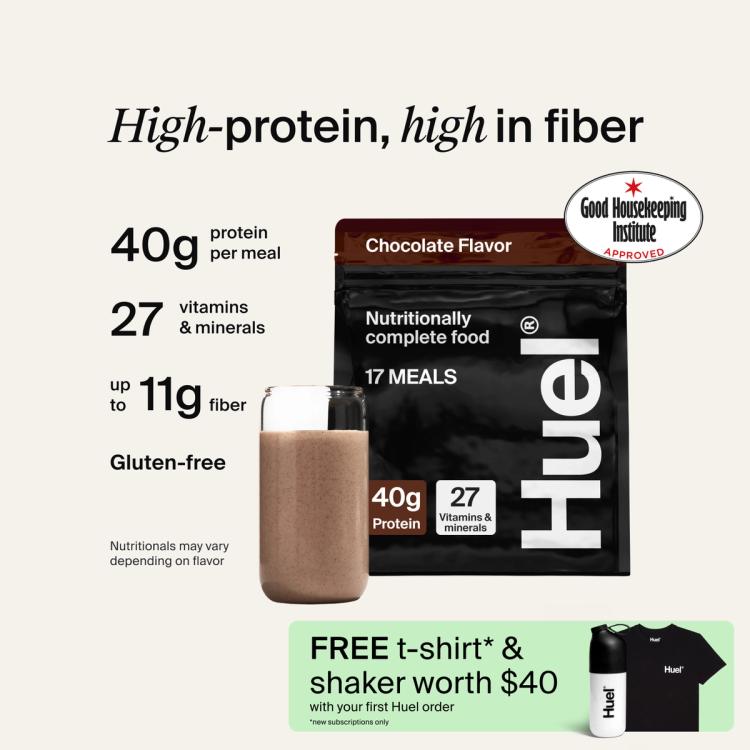
Then add serving size. Plant powders often use larger scoops to hit the same protein target, and meal-style products like Huel's Black Edition use 90 g servings. More powder, more exposure. Plant-based meal shakes show the same pattern at a larger serving size, as our Huel Black Edition lab-test review explains.
Dairy sits one step removed
Whey and casein come from milk. A cow eats plants, but its body filters and stores many metals in organs rather than passing them into milk at high levels. The result is that milk proteins usually start from a lower base.
That is broadly what CR saw: whey and dairy products like Optimum Nutrition Gold Standard Whey and BSN Syntha-6 measured around 0.2–0.3 µg lead per serving, while several plant products measured 2–8 µg [1][2]. Beef-based powders sat between those averages in CR's category summary — details in beef protein isolate: completeness and heavy metals. If you are dropping dairy for skin reasons, that metals gap is the trade-off to price in — see does whey protein cause acne.
It is not every plant product
Some plant products did reasonably well. Owyn's plant shake (0.43 µg lead) [2] and KOS (0.55 µg) [2] were far below the worst performers. Ingredient sourcing, supplier testing and blending all matter. That is exactly why we rank individual products from lab data instead of categories.
Cadmium is the plant-specific watch-out
Even when lead is modest, plant products often carry more cadmium. Vega Sport, for instance, measured 4.36 µg cadmium per serving [2] — above the 4.1 µg Prop 65 MADL that CR used as a reference [1]. Cadmium accumulates in the kidneys over decades, so frequency of use matters.
Per-serving numbers from Consumer Reports
| Product | Serving | Cadmium per serving |
|---|---|---|
| Huel Black Edition Chocolate | 90 g | 9.21 µg |
| Vega Sport | 44 g | 4.36 µg |
| Truvani Plant-Based Chocolate | 33 g | 3.27 µg |
| Ritual Essential Protein Chocolate | 33 g | 1.944 µg |
| KOS Organic Plant Protein Vanilla | 37 g | 1.26 µg |
| Optimum Nutrition Gold Standard Whey Double Rich Chocolate | 30.5 g | 0.24 µg |
| Equate Whey Rich Chocolate | 30.4 g | 0.217 µg |
| BSN Syntha-6 | — | Not detected |
These are Consumer Reports' published per-serving figures; see the CR methodology and test results PDF [2][3].
What this means for you
- If you are vegan or dairy-intolerant, choose plant products with published, recent metal data, and favour those at the low end of our table.
- Consider rotating rather than relying on one plant powder every day.
- If you tolerate dairy and want the lowest lead, whey isolate is usually the safest bet.
Read the research hub for links to the underlying sources. With whey prices spiking in 2026, we have also compared whether it is worth switching to plant protein. If the plant option you are considering is soy rather than pea or rice, see soy protein powder: hormones, completeness and heavy metals for the hormone evidence and our soy metals data gap. Considering seed-based hemp instead of pea or rice? We cover PDCAAS, lysine limits and why we still have no ranked hemp SKU in hemp protein: fibre, completeness and cadmium risk.
References
Related articles
Pea vs rice protein: lead, arsenic and amino acids compared
2026-10-27
Pea tends to bring more lead and cadmium plus lysine; rice protein raises inorganic arsenic risk and is low in lysine. Why blends exist, and which low-metal picks we list.
Is organic protein powder lower in heavy metals? What the lab data shows
2026-10-07
Organic sounds cleaner, but in the largest protein powder study to date, certified organic powders averaged three times the lead of non-organic ones. Here's why the seal doesn't limit metals, and how to shop for genuinely low lead.
Ritual vs Truvani plant protein: reporting (Nov 2026)
2026-11-14
Two plant powders, uneven paperwork. Ritual reports all four metals and scores 5.5. Truvani publishes lead only (0.319 µg) and scores 3.6 because reporting is 1 of 4.
As an Amazon Associate I earn from qualifying purchases. Affiliate status never changes rank. 0 paid placements.