
Science commentary · 2026-10-05 · Updated 2026-11-19
Protein shakes vs powders: which delivers less lead per gram of protein?
Ready-to-drink shakes are convenient, but per gram of protein the dairy shakes in Consumer Reports' testing carried roughly two to three times the lead of the cleanest whey powders. Here is the math.



The short answer
Per gram of protein, a well-tested whey powder usually carries less lead than a ready-to-drink shake. In Consumer Reports' 2025 tests, Optimum Nutrition Gold Standard whey powder measured 0.27 µg of lead for 24 g of protein, while the same brand's chocolate shake measured 0.74 µg for the same 24 g [1]. Dairy shakes worked out at about 0.26–0.33 µg per 10 g of protein, against 0.06–0.11 µg for the cleanest whey powders [1][3].
Most comparisons of heavy metals in protein — including ours — use micrograms per labeled serving. That is the right default, because health benchmarks are set per day. But it hides one question people actually ask in the aisle: if I need 25 g of protein, is a bottled shake or a scoop of powder the cleaner way to get it?
To answer it, we took every product in our rankings that has both a lead result and a reported protein amount, and divided one by the other. The result is lead per 10 g of protein. No new testing, no estimates — just the published numbers, normalised.
How we did the math
- Lead per 10 g protein = lead per serving ÷ protein grams per serving × 10.
- Lead figures come from Consumer Reports' 2025 protein investigation (ICP-MS, AOAC 2015.01) [2] and from Labdoor reviews.
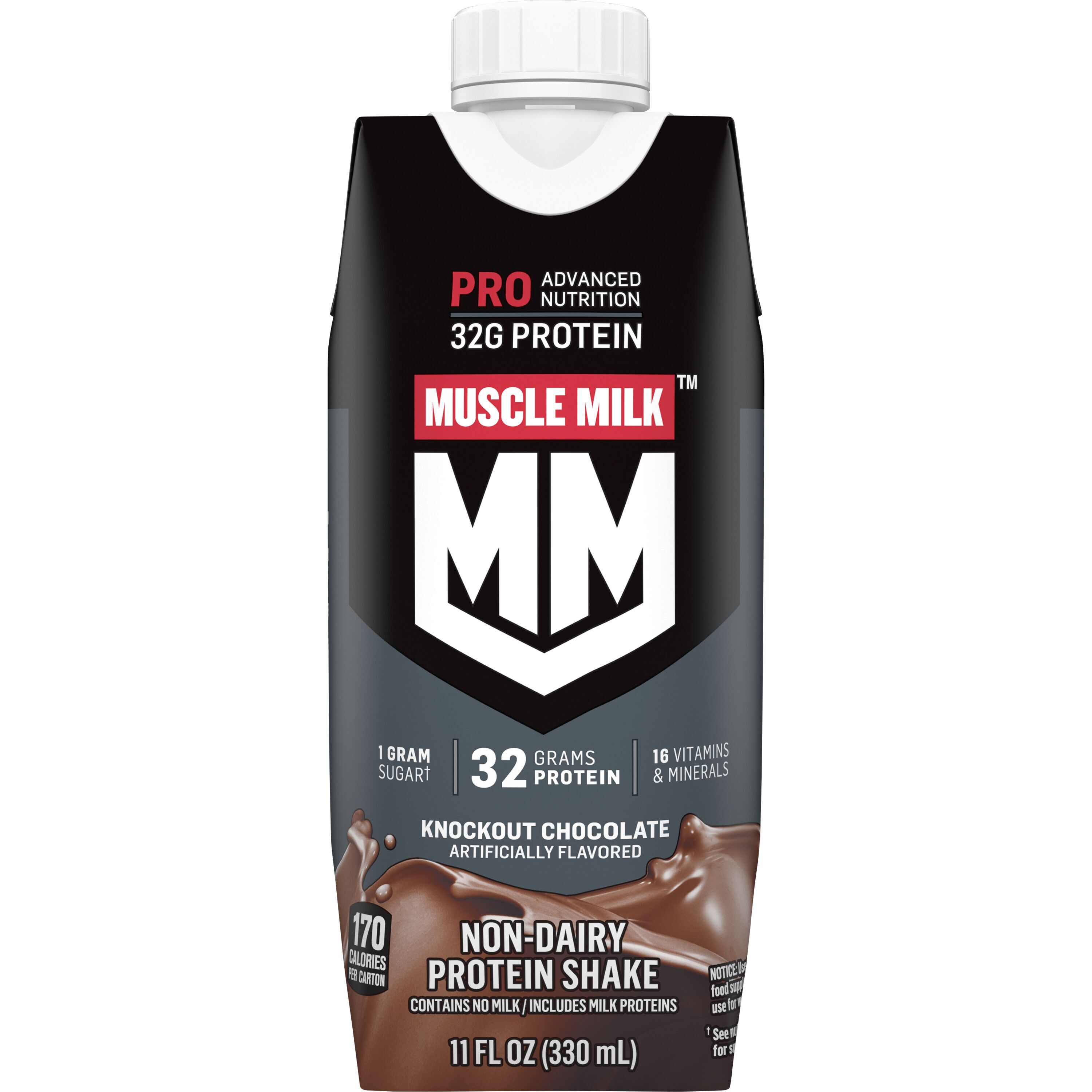
- Protein grams are the values shown on each product card. Products without a reported protein figure (for example Muscle Milk Pro Advanced) are left out rather than guessed.
- Results are rounded to two decimals.
Dairy powders: the low end
- Legion Whey+ — lead below Labdoor's limit of quantification at 22.5 g protein, so too low to calculate [4].
- Transparent Labs 100% Grass-Fed Whey Isolate — 0.16 µg lead, 28.12 g protein: about 0.06 µg per 10 g [3].
- BSN Syntha-6 — 0.23 µg, 22 g: about 0.10 µg per 10 g [1].
- Optimum Nutrition Gold Standard 100% Whey — 0.27 µg, 24 g: about 0.11 µg per 10 g [1].
Dairy ready-to-drink shakes
- Quest Protein Shake (Chocolate) — 0.79 µg, 30 g: about 0.26 µg per 10 g [1].
- Optimum Nutrition Gold Standard Protein Shake (Chocolate) — 0.74 µg, 24 g: about 0.31 µg per 10 g [1].
- Jocko Fuel Mölk Protein Shake (Chocolate) — 0.98 µg, 30 g: about 0.33 µg per 10 g [1].
That is roughly two to three times the lead per gram of the best whey powders, and around five times Transparent Labs' isolate.
Plant shakes and powders
- Owyn Plant Protein Shake — 0.43 µg, 20 g: about 0.22 µg per 10 g — the lowest ready-to-drink result we can calculate, dairy included [1].
- KOS Organic Plant Protein — 0.55 µg, 20 g: about 0.28 µg per 10 g [1].
- Vega Sport — 0.91 µg, 30 g: about 0.30 µg per 10 g [1].
- Ensure Plant-Based shake — 0.65 µg, 20 g: about 0.33 µg per 10 g [1].
- PlantFusion Complete and Orgain Organic — 0.69–0.70 µg at 21 g: about 0.33 µg per 10 g [1].
- Garden of Life Sport Organic Plant-Based — 2.76 µg, 30 g: about 0.92 µg per 10 g [1].
- Huel Black Edition — 6.31 µg, 40 g: about 1.58 µg per 10 g [1].
The cleanest like-for-like comparison
Optimum Nutrition makes both a powder and a bottled shake, CR tested both in chocolate, and both deliver 24 g of protein. The powder measured 0.27 µg lead and 0.24 µg cadmium per serving [1]. The shake measured 0.74 µg lead and 0.85 µg cadmium [1]. Same brand, same protein dose, same flavor family — and roughly 2.7 times the lead in the bottle.
Why might shakes run higher?
CR did not investigate the cause, so treat this as a hypothesis, not a finding. A ready-to-drink shake contains more than protein: cocoa, added minerals, thickeners, emulsifiers and flavors all ride along, and each ingredient is another possible source of trace metals. Cocoa in particular is a well-documented source of lead and cadmium (see our chocolate analysis). Most of the shakes CR tested were chocolate, so flavor and format are tangled together in this dataset.
The legal backdrop
Two ready-to-drink brands are now in court over lead. In Barrales v. Quest Nutrition (Los Angeles County Superior Court, filed 11 March 2026), a plaintiff alleges that seven Quest Protein Shake and Milkshake flavors expose consumers to lead above California's 0.5 µg/day Prop 65 level without a warning [5]. Jocko Fuel faces proposed class actions over its Mölk products, including one alleging 1.326 µg lead per 34 g serving of its chocolate milkshake powder, based on testing commissioned by the plaintiff's lawyers [6]. These are allegations, not findings, and neither product has been recalled.
What this means for you
- If lowest lead per gram is the goal, a well-tested whey isolate or whey blend powder beats every shake in the current data.
- If you need the convenience of a bottle, Owyn's plant shake and Quest's shake were the lowest per gram among RTDs, and Owyn and the dairy shakes all sit near or under 1 µg per bottle.
- If you drink more than one shake a day, per-gram numbers matter more, because your total protein — and total lead — scales with every bottle.
- Don't over-read small gaps. Lots vary, CR tested one flavor per product, and the difference between 0.26 and 0.33 µg per 10 g is within normal batch variation.
Compare every product on lead, cadmium, arsenic and completeness on our rankings, or browse powders and shakes that are in stock now in the shop. Affiliate status never changes rank. For the other convenience format — chewy bars versus a scoop — see protein bars vs powder on heavy metals.
This is general information, not medical advice.
References
- Consumer Reports. Protein powders and shakes: methodology and test results (October 2025, PDF)
- Consumer Reports. Protein powders and shakes contain high levels of lead (October 2025)
- Labdoor. Transparent Labs 100% Grass-Fed Whey Protein Isolate review
- Labdoor. Legion Whey+ review
- Barrales v. Quest Nutrition, complaint (Los Angeles County Superior Court), California Attorney General Prop 65 filings (PDF)
- McNatt v. Jocko Fuel, LLC, complaint (S.D. Cal. 3:26-cv-00791, PDF)
Related articles
Consumer Reports 2026 follow-up: five low-lead protein powders readers asked for
2026-10-02
CR retested Clean Simple Eats, Equate, Premier Protein, Truvani and Ritual. Four landed under 0.5 ug lead per serving — here is what the numbers mean and how we added them to the rankings.
Lead in protein powder: what Consumer Reports found in 2025
2026-09-22
A plain-English summary of CR's 2025 protein testing: what was measured, which products stood out, and what the numbers do and don't mean.
Best plant-based protein powder with low lead (2026 lab picks)
2026-10-16
Plant powders often test higher for lead and cadmium than whey. Here are the lowest-lead plant options from Consumer Reports and Labdoor, with completeness notes and buy links.
As an Amazon Associate I earn from qualifying purchases. Affiliate status never changes rank. 0 paid placements.