
Science commentary · 2026-10-14 · Updated 2026-11-15
Rice protein and arsenic: should you avoid it?
Brown rice protein can carry inorganic arsenic from soil and water. Here is what public lab data on rice-blend powders shows, and when whey or pea-only is the cleaner pick.



Rice is a staple that pulls arsenic from soil and irrigation water more readily than many other crops. That matters for plant protein powders that use rice protein or brown rice protein as a base or blend partner. Shoppers often ask whether rice protein is "dirty" compared with whey or pea. This commentary sticks to published per-serving lab tables — we never invent numbers — and points you to our rankings.
The short answer
Rice takes up arsenic from soil and water, and brown rice typically retains more than white rice. That does not make every rice protein powder high-arsenic: lots vary. Consumer Reports' October 2025 tests found arsenic per serving ranging from 0.80 µg in Orgain Organic Protein to 1.42 µg in Huel Black Edition and 2.41 µg in Naked Nutrition Vegan Mass Gainer [1]. Compare published per-serving lab numbers rather than judging by the ingredient name.
This is general information, not medical advice.
Lowest heavy metals of the products we rated
Ranked by lowest heavy metals from published lab tests. Affiliate status never changes rank.

10.0/10 safety
COAMomentous
Essential Grass-Fed Whey Protein Isolate
Vanilla · 25 g serving
Best for · Joint lowest heavy metals of 34 rated
Lead: too small to measure
20 g protein per scoop · Complete protein
$69.99 · updated 22 Nov
Lab details & evidence ▾
Heavy metals
µg/serving · independent test, not scored. ND = not detected; below LOQ = too small to measure; iAs = inorganic arsenic.
Metals score 10.0/10 · measured against Prop 65 (California's daily safe limit)
Protein quality
Complete
- Protein:
- Whey protein isolate (grass-fed)
- Completeness:
- Complete — Whey isolate; complete (PDCAAS 1.0).
- Completeness score:
- 10.0/10 — typical value for whey protein isolate (DIAAS 1.09, Rutherfurd et al. 2015, J Nutr 145:372)
Sources
- Independent test (not scored):
- Brand-published COA (heavy metals by ICP-MS, SGS) · checked 2026-10-29
- Evidence:
- Current Momentous whey isolate (sold as Essential Whey / Grass-Fed Whey Protein Isolate, in stock on livemomentous.com and Amazon B09F1SWMFG, Vanilla, checked 29 Oct 2026). Momentous COA Vanilla lot 0309B6 (mfg 7 Apr 2026, tested 20 Apr 2026): lead, cadmium, arsenic and mercury all <0.250 µg per 25 g scoop (below reporting limit; not quantified ≠ zero). Unflavored lot 0241H6A (Light Labs, 1 Sep 2026): Pb <0.050, Cd <0.003, Hg <0.020, As 0.050 µg per 23.7 g scoop. Distinct from the CR-tested Momentous Whey Protein Isolate Vanilla (26.5 g serving) that Momentous told CR was discontinued; that entry stays in the archive.

10.0/10 safety
COAPuori
PW1 Grass-Fed Whey Protein
Bourbon Vanilla · 30 g serving
Best for · Joint lowest heavy metals of 34 rated
Lead: too small to measure
21 g protein per scoop · Complete protein
$79.00 · updated 22 Nov
Lab details & evidence ▾
Heavy metals
µg/serving · independent test, not scored. ND = not detected; below LOQ = too small to measure; iAs = inorganic arsenic.
Metals score 10.0/10 · measured against Prop 65 (California's daily safe limit)
Brand-published test: Puori-published Clean Label Project COA, Bourbon Vanilla batch BO254497 (Ellipse Analytics, 17 Sep 2026): Pb, Cd, As, Hg all ND per 30 g serving (counted as 0).
Protein quality
Complete
- Protein:
- Whey protein concentrate (pasture-raised)
- Completeness:
- Complete — Whey protein concentrate; complete amino acid profile.
- Completeness score:
- 10.0/10 — typical value for whey protein isolate (DIAAS 1.09, Rutherfurd et al. 2015, J Nutr 145:372)
Sources
- Independent test (not scored):
- Clean Label Project certification COA (Ellipse Analytics), published by Puori · checked 2026-10-26
- Evidence:
- Puori publishes a Clean Label Project certification COA for every PW1 batch. Bourbon Vanilla batch BO254497 (Ellipse Analytics, 17 Sep 2026): lead, cadmium, arsenic and mercury all ND (µg/serving); protein 20.21 g measured vs 21 g claimed. The newest batches (BO254494–BO254497 Vanilla, 260828A Dark Chocolate, Oct 2026) are also all ND. The COA does not state detection limits; ND ≠ zero. 30 g serving per Puori's amino-acid panel. Buy link (2026-11-07): Puori partner URL https://puori.com/SFKDMGMV (replaces Amazon ASIN B0736B62K5 on cards). No Consumer Reports or Labdoor test.

10.0/10 safety
ICP-MSEquip Foods
Prime Protein
Chocolate · 25.7 g serving
Best for · Top 3 lowest heavy metals of 34 rated
Lead: 0.71 µg per scoop — above the daily safe limit
21 g protein per scoop · Not quite complete (a bit low in methionine + cysteine)
$63.99 · updated 22 Nov
$3.05 / 30 g protein
Lab details & evidence ▾
Heavy metals
µg/serving · independent test, not scored. ND = not detected; below LOQ = too small to measure; iAs = inorganic arsenic.
Metals score 10.0/10 · measured against Prop 65 (California's daily safe limit)
Protein quality
Incomplete by brand amino-acid profile (collagen-rich beef)
- Limiting amino acid:
- Methionine + cysteine (brand data); tryptophan in published beef-protein studies
- Metric:
- DIAAS 0.81 (DIAAS/PDCAAS are lab scores for protein quality; 1.0 is the top)
- Rich in:
- Glycine 5 g, proline 3 g, hydroxyproline 2.55 g per serving — collagen-rich (brand data)
- Low in:
- Methionine + cysteine (0.26 g/serving), isoleucine, tryptophan and leucine below WHO adult reference per gram of protein (calculated from brand data)
Source: Brand data (amino-acid profile in brand FAQ) + score uses typical beef protein value (published studies) · score basis: Typical for bovine muscle protein (published studies: DIAAS 0.81, Bindari et al. 2018)
- Protein:
- Beef protein isolate
- Completeness:
- Depends on formula — Animal source, but beef protein isolates are collagen-rich and can be low in tryptophan; no public PDCAAS/DIAAS for this product.
- Completeness score:
- 8.1/10 — typical value for bovine muscle hydrolysate (DIAAS 0.81, Bindari et al. 2018, J Sci Food Agric 98:2131)
Sources
- Independent test (not scored):
- Consumer Reports ICP-MS (AOAC 2015.01) · checked 2025-10-14
- Evidence:
- Average of lots purchased Nov 2024–Jan 2025; µg per labeled serving. Mercury reported at approximately zero. Brand data (2026-10-29): Equip's Light Labs report (app.lightlabs.com/comprehensive-testing-report/10/13, Prime Protein Chocolate, heavy metals last tested 6 Mar 2026) shows arsenic <0.29 µg, cadmium <1.67 µg, lead <0.24 µg and mercury not detected per serving (reported as '<' values). Earlier Sept 2025 Chocolate lot: lead 11.15 ppb (≈0.29 µg). Consumer Reports' independent average (0.71 µg lead, 142% of 0.5 µg) is shown but not scored.
- Price:
- ≈ $2.20/serving · 9.5 g protein per $ (approx., verify at checkout)
Why rice and arsenic show up together
Arsenic exists in organic and inorganic forms. Inorganic arsenic is the form health agencies watch most closely in food. Rice plants take up arsenic that is naturally present in soil and water; brown rice typically retains more than white rice because more of the outer layers remain. Protein concentrates made from rice can concentrate that mineral load into a scoop.
That does not mean every rice-containing powder is high-arsenic, or that pea or whey is always "clean." Lots vary. What we can say is: when independent labs report µg per labeled serving, you can compare products side by side.
What our ranked products with rice show
Several plant powders on our list use pea + brown rice (or similar) blends. Figures below are µg per labeled serving from Consumer Reports' October 2025 protein investigation unless noted [1]. Methods and lots differ from Labdoor.
- Orgain Organic Protein (Vanilla Bean) — pea, brown rice, chia: lead 0.70, cadmium 1.03, arsenic 0.80, mercury ND [1]. Complete (blend).
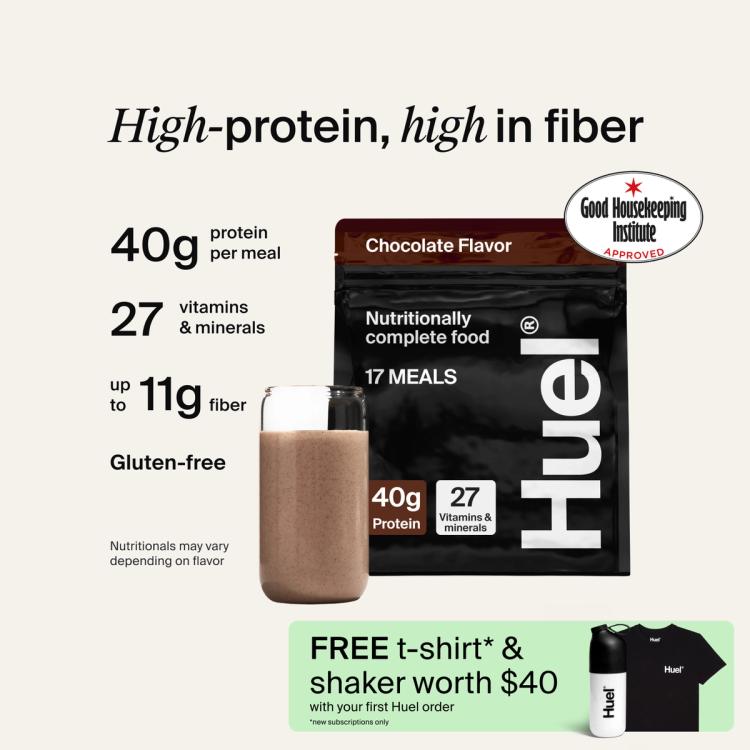
- Huel Black Edition (Chocolate) — pea + brown rice meal powder: lead 6.31, cadmium 9.21, arsenic 1.42, mercury 0.08 [1]. CR advised against use.
- Naked Nutrition Vegan Mass Gainer (Unflavored) — pea + rice gainer: lead 7.70, cadmium 3.45, arsenic 2.41 (inorganic 1.66) [1]. Highest lead in the CR set; CR advised against use. Huge serving size also inflates totals.
- Momentous 100% Plant Protein (Chocolate) — pea + rice (discontinued; evidence archive): lead 2.33, cadmium 1.95, arsenic 1.61 (inorganic 1.061) [1].
For contrast, dairy whey on the same CR panel often showed lower arsenic as well as lower lead — e.g. Optimum Nutrition Gold Standard 100% Whey (Double Rich Chocolate): arsenic 0.16, lead 0.27 [1]. Labdoor-reviewed whey isolates such as Legion Whey+ and the Muscle Feast whey line reported arsenic below LOQ on their review pages (below LOQ ≠ proven zero; methods differ from CR).
Cadmium is a separate plant-protein issue (see pea powders like Vega Sport at 4.36 µg Cd in CR's set [1]). A powder can look "OK" on lead and still spike cadmium or arsenic — which is why we sort on lead first, then cadmium, arsenic, mercury.
Mass gainers and arsenic
CR also found very high inorganic arsenic in some dairy mass gainers (not rice-based), notably Optimum Nutrition Serious Mass (Vanilla): arsenic 8.43 µg/serving, almost entirely inorganic [1]. Serving size, not rice, drove that exposure. We exclude mass gainers from our "best value clean" pick for that reason — see mass gainers and serving size.
Should you avoid rice protein?
Not automatically. Use the numbers:
- Prefer products with published third-party µg/serving for arsenic (and lead/cadmium), not marketing claims alone.
- If you want daily plant protein and want to minimize rice-related arsenic risk, lean toward pea-forward or multi-plant blends without rice that still tested low — e.g. CR's January 2026 follow-up found Truvani pea chocolate at 0.46 µg lead (arsenic 0.48) and Ritual Essential Protein pea chocolate at 0.53 µg lead (weekly-limit framing from CR). Check our cards for full metal panels.
- If muscle completeness and lowest metals are both priorities, whey isolate/concentrate still dominates the bottom of our least-metals ranking on current public data (Legion, Muscle Feast Labdoor reviews; CR better-for-daily whey picks).
- Treat Prop 65 notices and lawsuits as allegations unless settled or adjudicated. We rank on lab tables. Pending Orgain retailer suits (Barton v. Costco; Cada v. Amazon) do not change CR's Orgain figures until new lab data arrives.
- Match lot COAs when a brand publishes them — arsenic and lead move lot to lot.
Practical picks from our shop
Open the shop for buyable products only, or the full rankings. Affiliate status never changes rank. As an Amazon Associate I earn from qualifying purchases.
- Lowest verified metals among complete available powders: Legion Whey+, Muscle Feast whey lines, Transparent Labs grass-fed isolate (Labdoor), then CR low-lead whey such as Clean Simple Eats and ON Gold Standard. For the isolate head-to-head, see Legion vs Transparent Labs.
- If you stay plant-based: compare pea/rice blends' arsenic and cadmium columns carefully; skip CR "advise against" products for daily use. Our fuller pea vs rice protein comparison covers amino acids and metals together.
References
FAQ
Is brown rice protein worse than white rice protein?
Often yes for arsenic in whole-grain foods, because more bran remains. Protein powders are processed concentrates — always prefer a measured µg/serving over the grain color claim.
Is inorganic arsenic the same as total arsenic?
No. CR sometimes reports both. Inorganic is the form of greater toxicological concern. When only total arsenic is listed, treat it as an upper-bound signal, not a full speciation.
Does "organic" rice protein mean less arsenic?
Not necessarily. Arsenic uptake is environmental. See organic protein and heavy metals.
Values are µg per labeled serving from Consumer Reports (Oct 2025 / Jan 2026) and Labdoor reviews cited on each product card. Methods and lots differ.
Related articles
Pea vs rice protein: lead, arsenic and amino acids compared
2026-10-27
Pea tends to bring more lead and cadmium plus lysine; rice protein raises inorganic arsenic risk and is low in lysine. Why blends exist, and which low-metal picks we list.
7 protein powder myths about heavy metals (and what the data say)
2026-11-09
Organic, 'third-party tested', grass-fed, chocolate, price, plant-vs-whey and 'lead is only in plant' myths checked against Consumer Reports, Clean Label Project and our rankings — each with a deep-dive link.
Does heating or baking protein powder destroy the protein?
2026-11-06
Heat unfolds whey and plant proteins but does not erase amino acids. Baking and hot drinks stay useful for protein intake; Maillard browning can lower lysine availability in extreme mixes; heavy metals are elements and do not cook away.
As an Amazon Associate I earn from qualifying purchases. Affiliate status never changes rank. 0 paid placements.